|
|
 Guest Post – Danielle M. Guest Post – Danielle M.
Flooding, hurricanes, tornadoes, wildfires and earthquakes can strike at any time and often with little warning. In 2012, nearly 125 million people worldwide were victims of natural disasters, and in the United States, weather-related disasters caused about $157 million in damages.
The time to prepare for a disaster is not before or just after it hits – the best time to prepare is now. Making your own emergency survival kit and having a plan in place could save your life when disaster strikes. Take a look at these tips for how to make your own DIY emergency kit:
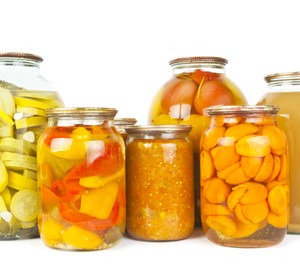
Food: For an emergency survival kit, you should have at least a three-day supply of non-perishable food items for each member of your household, including pets. Canned foods, pre-packaged and dry foods like rice and beans are the easiest to store and pack. You can easily store dry rice and beans in mason jars, empty milk jugs and empty 2-liter soda bottles. Choose foods that are high in calories and nutrition. Peanut butter, nuts, tuna, soup, crackers, protein bars and trail mix are easy to pack and offer important nutrients.
Water: For survival situations, (Read more....) […]
 Superstorm Sandy was a stark reminder of potential climate change and a new normal when it comes to natural disasters. Some people in the Northeast were without power for weeks following the storm, while others had to wait hours in line for a couple gallons of gasoline. Every household should have a survival kit containing the essentials needed to weather the storm until normalcy can be restored. The cost to compile the kit is nothing compared to what life will be like without it in the aftermath of disaster. Superstorm Sandy was a stark reminder of potential climate change and a new normal when it comes to natural disasters. Some people in the Northeast were without power for weeks following the storm, while others had to wait hours in line for a couple gallons of gasoline. Every household should have a survival kit containing the essentials needed to weather the storm until normalcy can be restored. The cost to compile the kit is nothing compared to what life will be like without it in the aftermath of disaster.
Water
Human beings can only survive a maximum of five days without water, and that is under ideal conditions. Floods, hurricanes and earthquakes can knock out municipal water sources for weeks at a time. Whether in the basement, attic or spare room, a few gallons of water should be stored in every home, especially when there are children. Some water may still flow through the pipes when the faucet is turned on, but it could be contaminated with bacteria. Purification tablets can be (Read more....) […]
 by SurvivingSurvivalism.com by SurvivingSurvivalism.com
So you want to know how prepared you are, eh? If you are already living in your survival homestead, it’s a good bet you’re ready for what’s coming down the pike. If you’re still making preparations, maybe this will help you determine how far along you are – and where you might need to beef up.
·1. Storage Food
·A1. (-30 points) What Storage Food?
·A2. (0 points) My Neighbor has some.
·A3. (20 points) I have two cases of Dinty Moore Beef Stew & whole bunch of Raman Noodles
·A4. (100 points) I have two years of storage foods and have a garden
· 2. My Family’s Attitude Toward Prepping
·A1. (-30 points) What Family?
·A2. (0 points) They already think I’m a tin foil hat wearing nut job
·A3. (20 points) I watch Preppers on TV, hoping my family (Read more....) […]
 Contemplating a natural disaster may not be fun, but it can grant you tremendous peace of mind should a disaster strike. Having a plan is the best way to protect yourself and your family. Accordingly, it makes sense to plan ahead by doing a little bit of preparing for the worst. Contemplating a natural disaster may not be fun, but it can grant you tremendous peace of mind should a disaster strike. Having a plan is the best way to protect yourself and your family. Accordingly, it makes sense to plan ahead by doing a little bit of preparing for the worst.
1. Know Your Region
Some regions of the world are susceptible to tsunamis while others are more likely to see earthquakes. Still other areas might be subject to tornadoes or hurricanes. Knowing what types of natural disasters you are likely to encounter is the first step to being prepared. Your preparations may vary slightly depending upon whether you are more vulnerable to forest fires or floods. However, the basic needs for food, clothing, shelter and medical supplies will apply regardless of the type of emergency.
2. Learn CPR and Basic First Aid
Many local organizations provide free or low cost training for CPR and first aid. You’ll learn how to clean wounds and place bandages in addition to how to provide life saving CPR. Even when no natural disaster is imminent, these skills can save a life. These classes do not require a lot of time, but the dividends they may (Read more....) […]
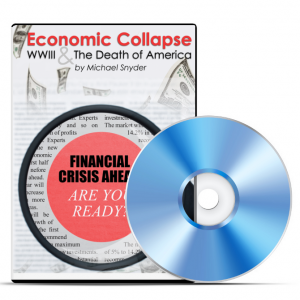
 Ultimate Survival Collection. 150+ Books on DVD ROM. Over 36,000+ Pages! Ultimate Survival Collection. 150+ Books on DVD ROM. Over 36,000+ Pages!
This DVD contains every resource you will ever need to be prepared to survive in any situation.
Over 150+ books are on this DVD to teach you everything from how to navigate terrain, to starting a fire, to telling the time by the sun, to hand to hand fighting and more. Learn how to cook and preserve food, raise animals, heal injuries, make shelters, raise bees, garden, live off the land, map read, sword fight, identify poisonous and edible plants and survive in any situation.
This DVD has all of the resources you need so you will never need another survival resource again. There is so much here that you could continue coming back to these resources for a lifetime of learning.
After all, there are over 36,000 pages contained on this DVD of learning manuals and books. You can’t get more extensive than that! If you want to be prepared in any situation with all of the skills you need than this DVD-ROM has you covered. this (Read more....) […]
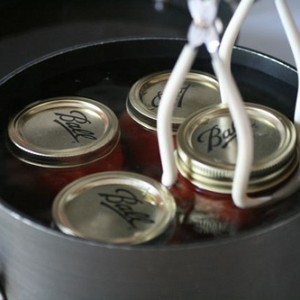 Growing up the daughter of a self-sufficient mother and father, I was taught never to depend on anyone or anything. My mother believed life was full of so much uncertainty and that there was no way to know whether or not we would have the luxuries of today when we woke up tomorrow. “Expectation and dependency are the keys in unlocking the doors to unhappiness,” my father always said in following up my mother’s statements. Looking back, I remember rolling my eyes every time they talked about self-sufficiency. I simply couldn’t and wouldn’t imagine a world where my parents’ assertions were real. ‘The government and our fellow mankind would take care of us,’ I remember thinking. Growing up the daughter of a self-sufficient mother and father, I was taught never to depend on anyone or anything. My mother believed life was full of so much uncertainty and that there was no way to know whether or not we would have the luxuries of today when we woke up tomorrow. “Expectation and dependency are the keys in unlocking the doors to unhappiness,” my father always said in following up my mother’s statements. Looking back, I remember rolling my eyes every time they talked about self-sufficiency. I simply couldn’t and wouldn’t imagine a world where my parents’ assertions were real. ‘The government and our fellow mankind would take care of us,’ I remember thinking.
Picture Credit – Family Friendly Knoxville
When I witnessed Hurricane Katrina, I realized my parents were right. All these people were destitute, without shelter, without food, without a promise of tomorrow, and without aid. I remember thinking that I lived my life much like the displaced citizens of Katrina. I lived my life as if anything (Read more....) […]
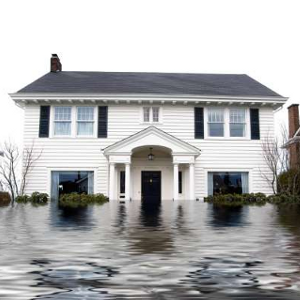 What to do Before and After a Flood By Scott Patrick Humphrey What to do Before and After a Flood By Scott Patrick Humphrey
Climate change is a reality that is affecting many of the eco-systems all around the planet, and weather patterns have had considerable changes over the past decade due to the increases moisture in the atmosphere. Thanks to global corporate pollution we have had a massive spike in temperatures as well as a drastic increase in the loss on the Antarctic ice sheet. The effect has caused massive damages to communities all around the country, and we need to stay prepared for more in the future.
As summer approaches, one might be tempted into passivity by the unfurling of lawn chairs, the cracking open of beer bottles and the hum of air conditioning units, but the coming of summer also signals a real need for preparedness as for much of the country it signifies the start of hurricane season. Beginning around the 1st of June, hurricane season can wreak havoc on coastal cities and homeowners alike. However, the real danger of hurricanes lies not as much with the strong winds or rock-solid hail, but rather with the flooding that it causes.
Whereas broken windows and fallen trees can be repaired with effort, flooding can be much more complicated to tackle, often requiring the need (Read more....) […]
|
|